
The Art is Only Part of the Experience
One of the questions I'm asked most often is,
"How do you come up with your projects?"
You may be surprised by my answer.
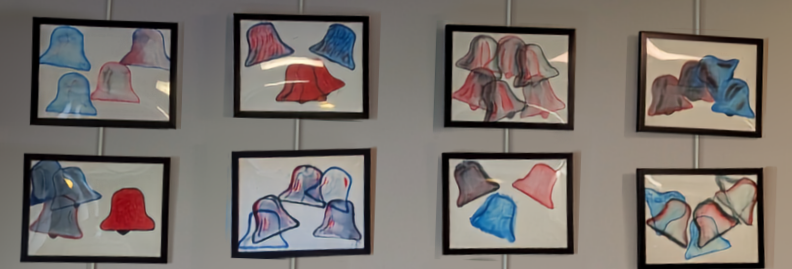
Assisted Living gallery space displaying resident artwork.
When planning a new project I rarely begin by thinking about the artwork.
Instead, I begin by thinking about the people who will be sitting around the table.
Over the past ten years of teaching visual art in assisted living, skilled care, memory care, and senior centers, I've learned that every group brings together a wonderful mix of personalities, life experiences, interests, and abilities. Some participants have painted or crafted for years. Others haven't picked up an art supply since they were in school. Some have limited hand strength or range of motion. Others simply need a little more time or encouragement to feel comfortable trying something new.
That means the question isn't, "What would make a nice painting?"
The question becomes: "How can I design a project that allows everyone to participate successfully?"
That simple shift changes everything.
The artwork is still important. I want participants to create something they're proud to display or take home. But the finished piece is only one part of the experience.
The project itself has to be flexible. It needs to meet participants where they are while still allowing room for creativity, personal choice, and a sense of accomplishment. That philosophy guides every lesson I develop.
The subject is only the starting point. Whether the finished project is a Liberty Bell, a butterfly, or a field of wildflowers, I work through the same design questions every time.
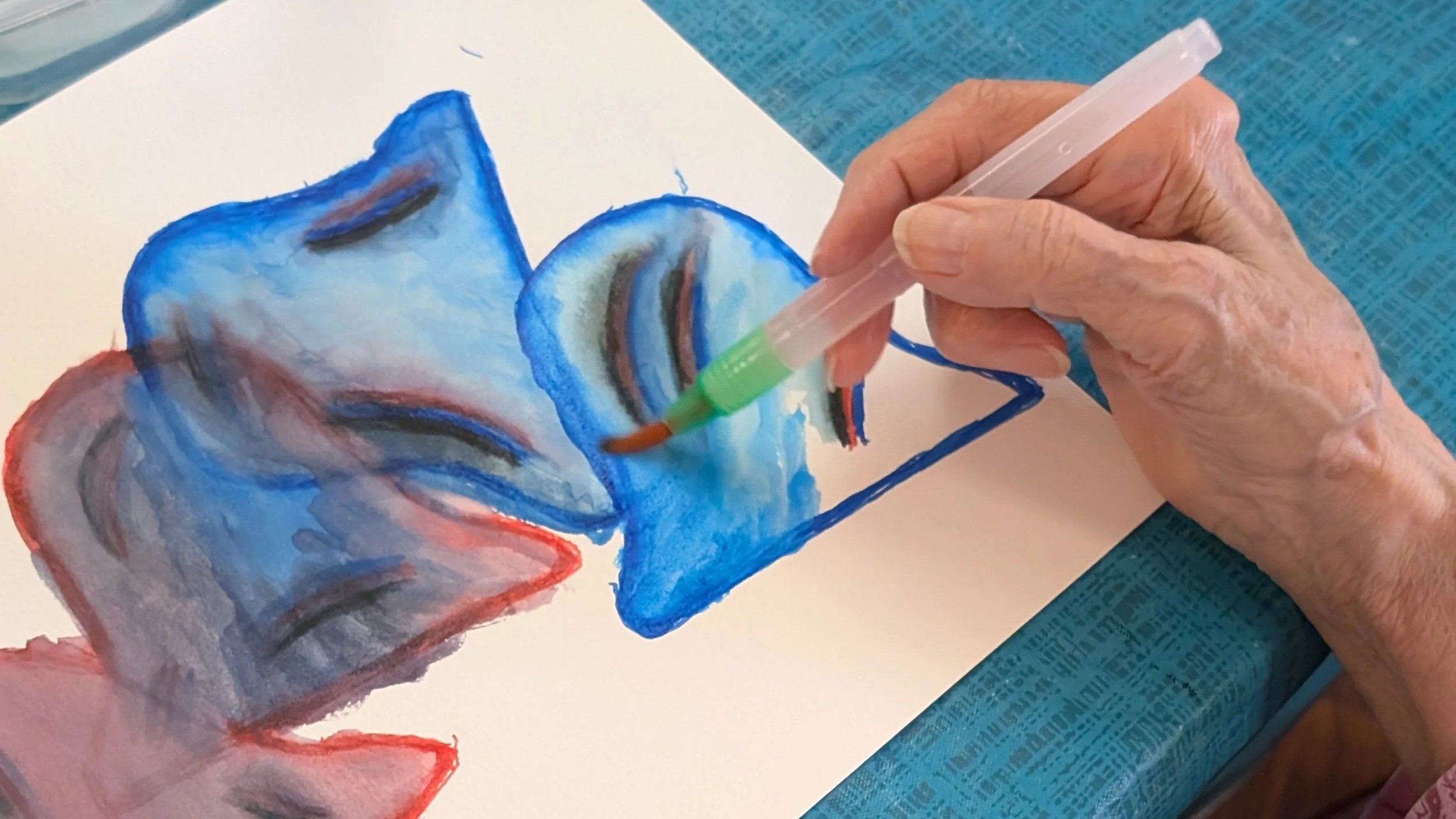
Planning a successful art lesson begins with thinking about who will be sitting around the table.
The theme is important because it gives participants something meaningful to explore while they're creating. I enjoy connecting art with history, geography, nature, and everyday life because adults deserve subject matter that respects their curiosity and lifelong interest in learning.
Once I have a theme, I start thinking like a teacher rather than an artist.
• Can someone with limited hand strength still be successful?
• Are there opportunities to simplify or add detail based on ability?
• Will the finished artwork still feel personal instead of everyone producing identical results?
• Can Activity Professionals confidently lead the project, even if they don't consider themselves artists?
• Does the project invite creative choices rather than simply following directions?
Those questions shape the lesson far more than the artwork itself.
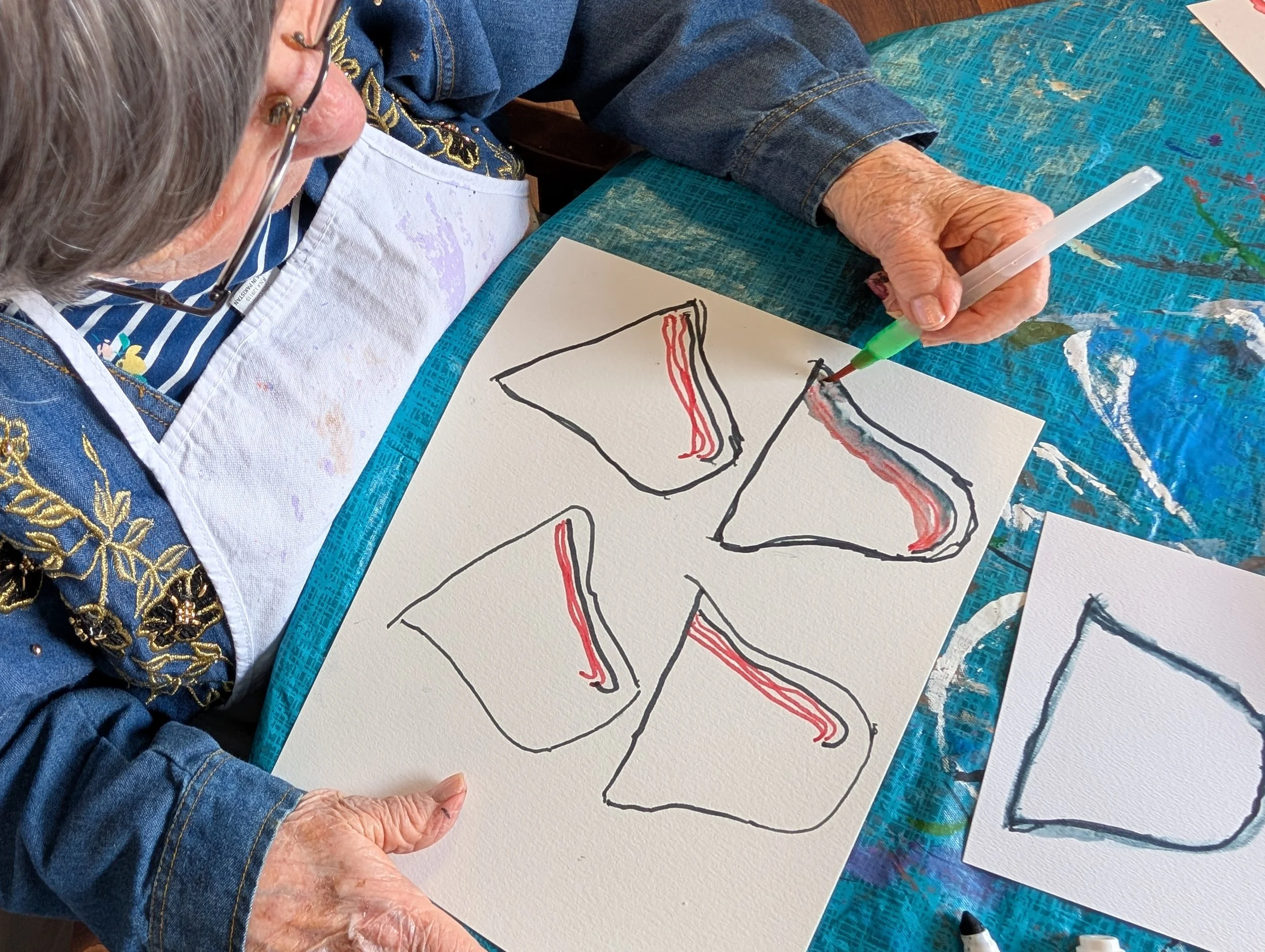
Let Freedom Ring: Painting with markers project. Shown in the early stage of the project as the participant glides water over marker to paint in Liberty Bell images.
The Artwork Is Only Part of the Experience
That philosophy is what led me to bring three of my patriotic projects together into a single collection.
Although the projects were developed over time, I realized they naturally complement one another. Each explores a different art medium—painting, collage, and printmaking—but they all share the same design approach.
The materials are easy to source. The projects are made up of obtainable steps and are adaptable for participants with a wide range of physical, cognitive, and artistic abilities.
And perhaps most importantly, they were created so Activity Professionals can confidently lead a successful art experience without needing an art background. Art made simpler, not simple.
Want to see this approach in action?
The Celebrate America Patriotic Art Collection was developed using this same planning process. Each lesson is field-tested with older adults and includes instructor guidance, adaptable participant handouts and proactical tips for Activity Professionals.
My hope is that the collection makes planning just a little easier, allowing leaders to spend less time worrying about supplies and instructions and more time encouraging creativity around the table.